Contemporary Equine Art in an International Celebration of the Akhal-Teke Horse
Contemporary Equine Art in an International Celebration of the Akhal-Teke Horse
The Akhal-Teke World Championship brought together breeders, riders, specialists, artists and representatives of international organisations from different countries. The event centred on the Akhal-Teke — one of the world's oldest and most distinctive horse breeds and an important element of Turkmen cultural heritage.
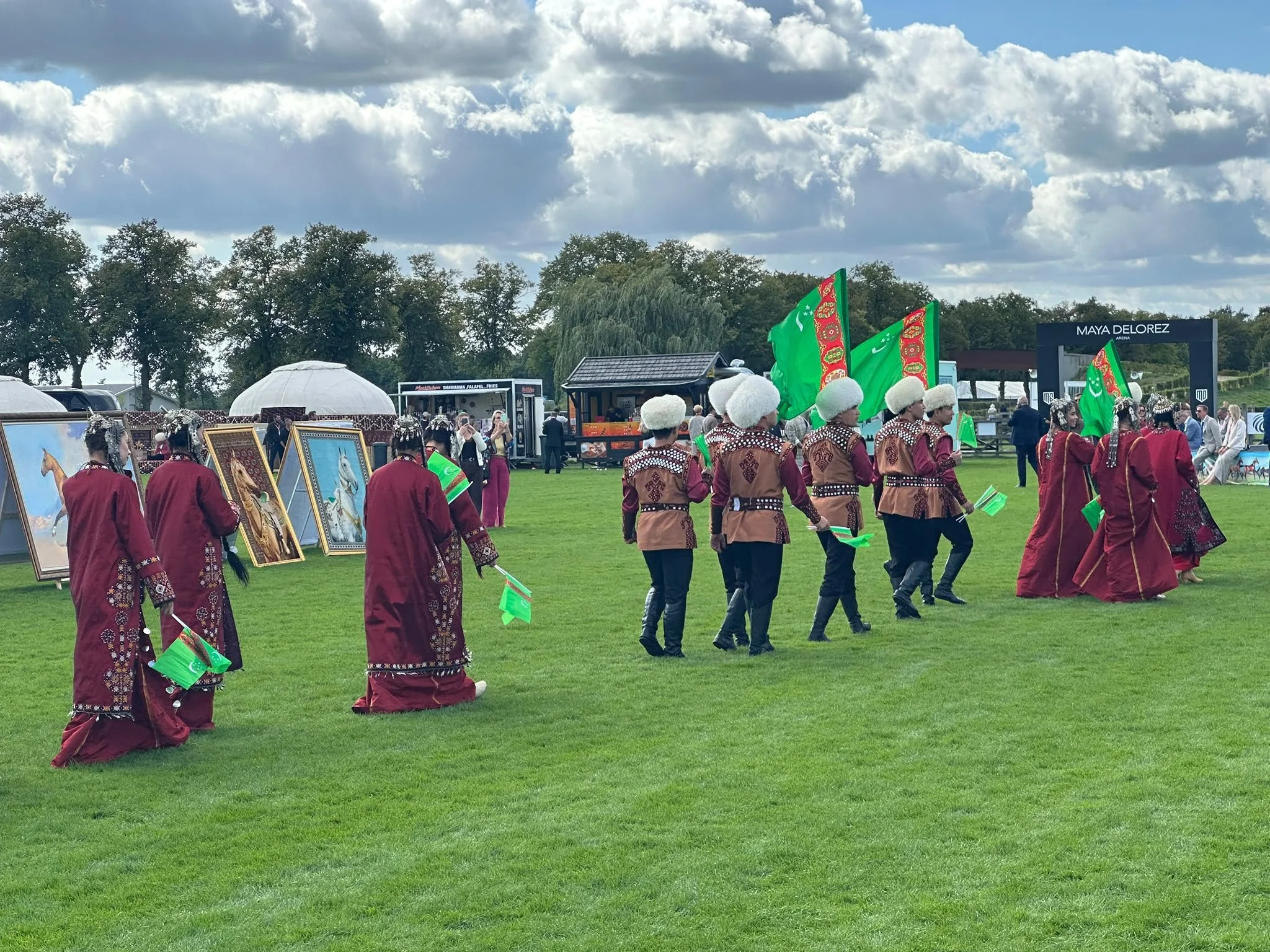
Alongside the World Beauty Championship, the programme included equestrian competitions, traditional and cultural performances, an international scientific and practical conference, exhibitions devoted to Turkmen equestrian culture and European horse heritage, and an international art competition. The artistic programme encompassed painting, sculpture, photography, jewellery and traditional carpet art, encouraging different interpretations of the Akhal-Teke horse and cultural exchange between participants from different countries.
The cultural dimension of the event was particularly significant. The exhibition area brought together contemporary and traditional representations of the horse with Turkmen textiles, carpets, traditional equestrian equipment and other aspects of material culture. Art became part of a larger dialogue about the horse not only as an animal or sporting partner, but also as a carrier of history, identity and cultural memory.
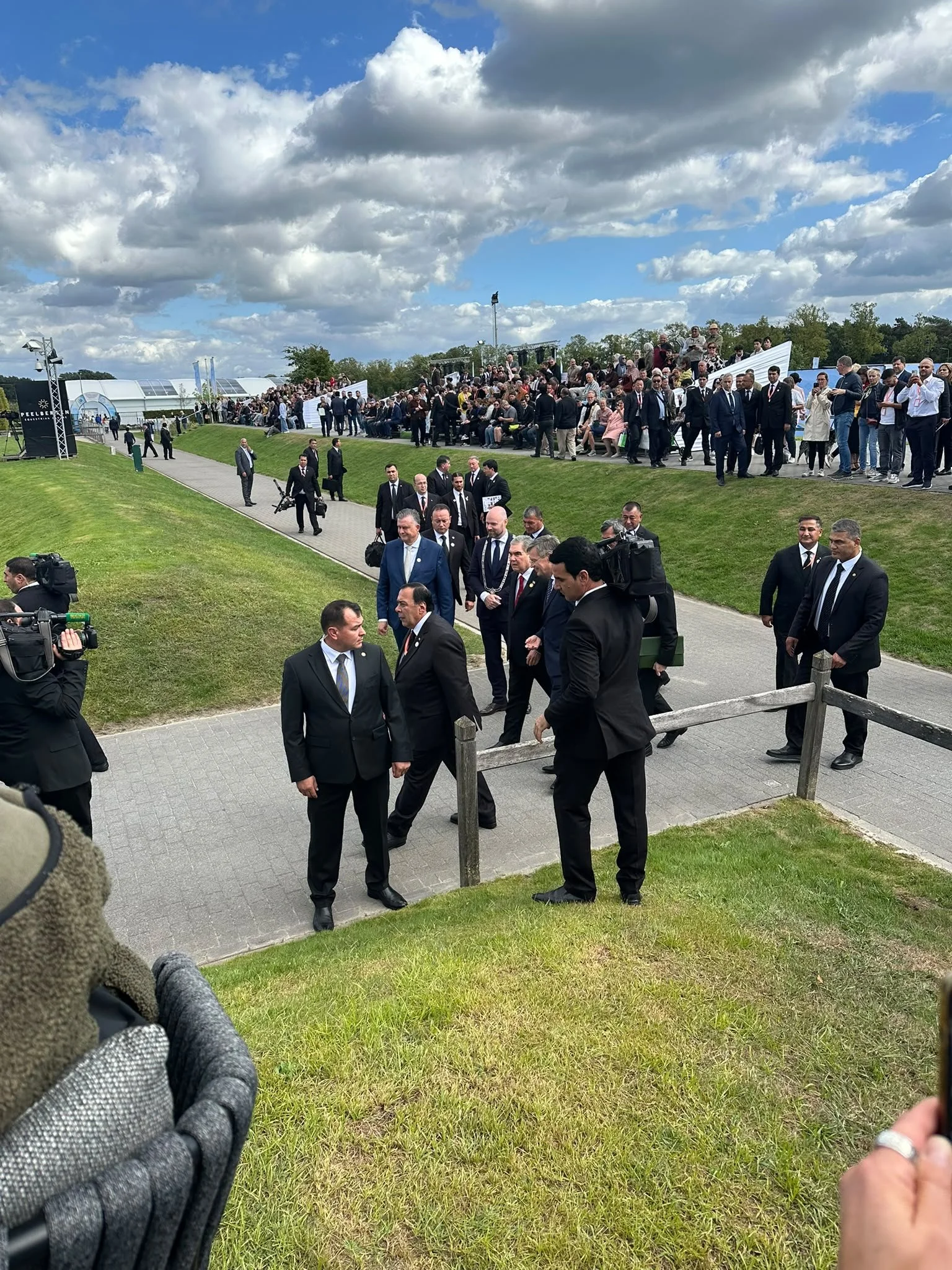
On 5 September, the championship welcomed a high-level international delegation headed by Gurbanguly Berdimuhamedow, National Leader of the Turkmen people and Chairman of the Halk Maslahaty of Turkmenistan. The official programme also brought together representatives of the Netherlands and international cultural and equestrian organisations, including Emile Roemer, King’s Commissioner for the Province of Limburg; Jan Peter Balkenende, former Prime Minister of the Netherlands and Minister of State; Ioannis Maronitis, President of the Federation of UNESCO Clubs and Associations in Europe and North America and International Action Art; and Blanca de Toledo, President of the Spanish Akhal-Teke Horse Association.
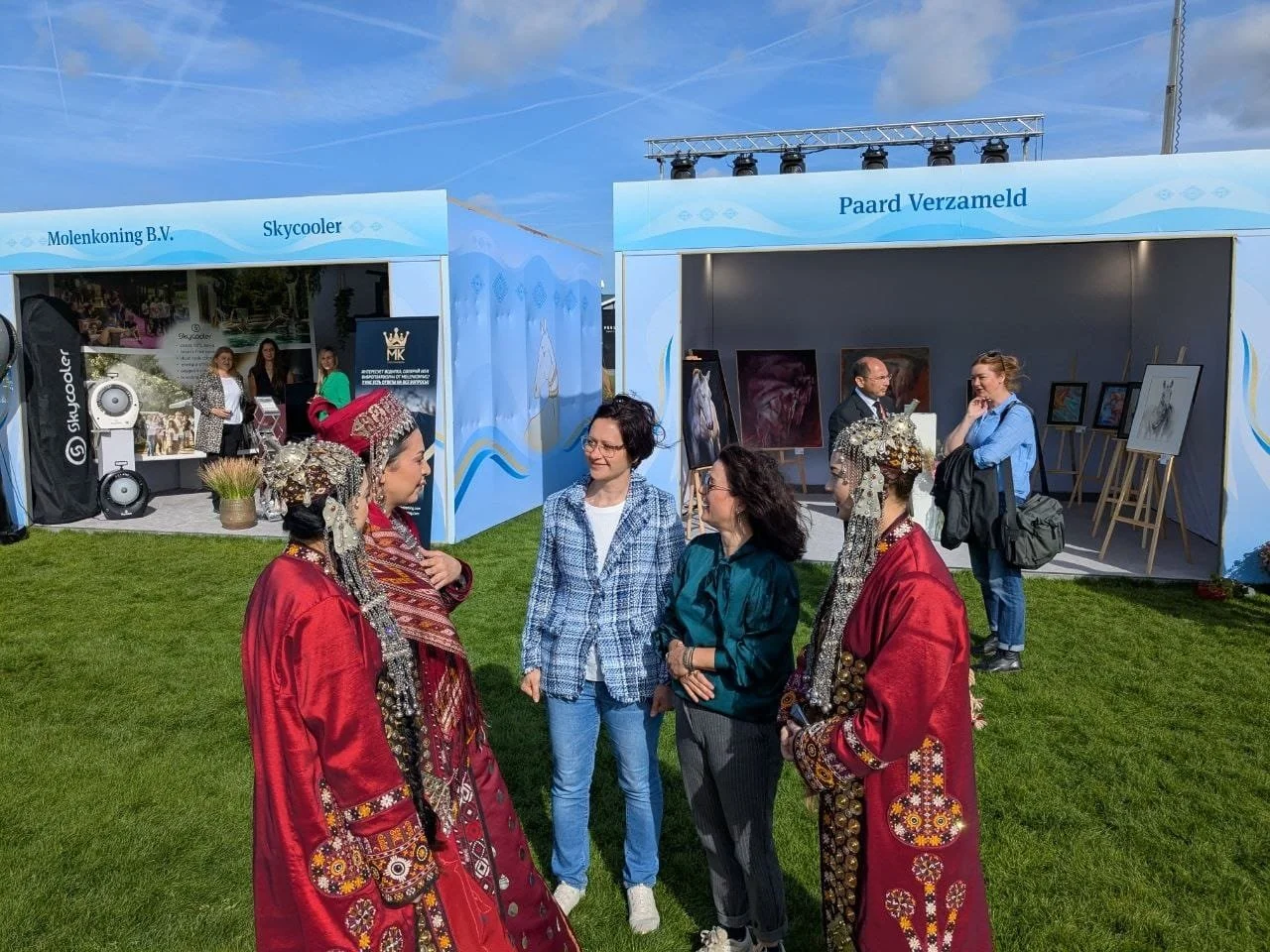
For me, however, one of the most valuable aspects of the experience happened outside the formal programme. During the event we had the opportunity to meet and speak directly with members of different international delegations, as well as artists and art professionals from Turkmenistan. These encounters opened conversations about different artistic traditions, approaches to depicting the horse, and the place the horse occupies within different cultural environments.
As an artist whose practice increasingly investigates the horse beyond straightforward representation — through movement, energy, transformation and the changing perception of form — I found this context particularly meaningful. The Akhal-Teke horse exists at an unusual intersection of physical beauty, centuries of selective breeding, cultural symbolism and contemporary international horse culture. Seeing visual art positioned alongside all these different perspectives created an opportunity to think about equine art within a much wider cultural framework.
The event itself was also historically unusual. The World Akhal-Teke Horse Beauty Championship and the open meeting of the International Association of Akhal-Teke Horse Breeding were held in Europe for the first time. The gathering was conceived not only as a championship, but also as a platform for international cooperation and cultural exchange centred around the Akhal-Teke horse.
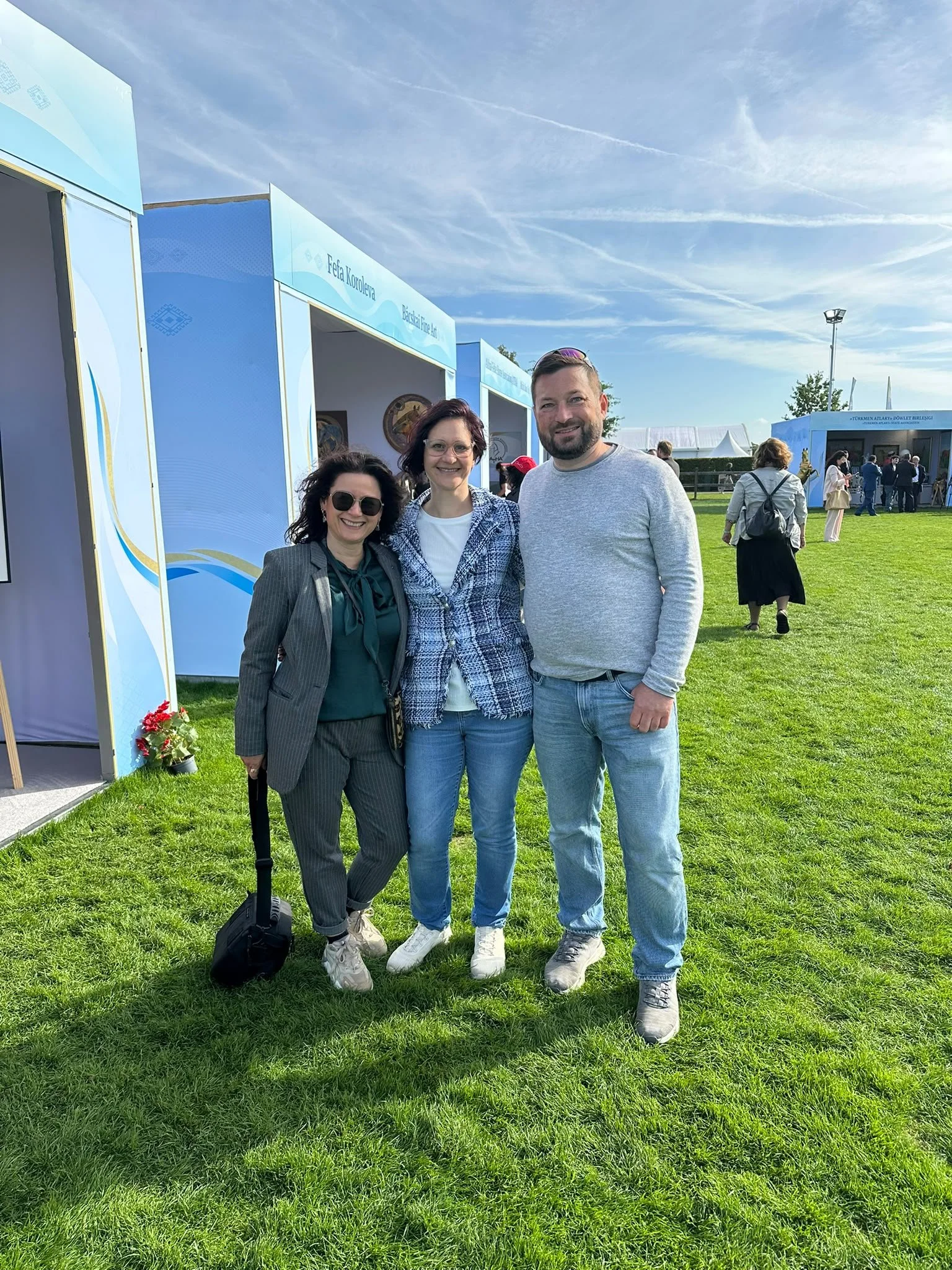
For Mirelle Vegers and me, presenting our work within this environment meant reaching an audience very different from that of a conventional gallery or art fair. Horse breeders and owners, equestrian professionals, diplomats, cultural representatives, artists and international visitors encountered contemporary equine art within the living context of the horse itself.
It was an intense, sometimes unexpected, and ultimately unforgettable experience. I returned home with an enormous collection of photographs and impressions, new professional contacts and, above all, many conversations that I am still processing.
I am grateful to Joyce Ter Horst and Paard Verzameld for selecting my work and creating the curatorial framework for our presentation, to Mirelle Vegers for sharing this experience with me, and to the Embassy of Turkmenistan for the invitation that made our participation possible.
The weekend reinforced something that is becoming increasingly important within my own practice:
The horse can be much more than a subject of representation. It can become a meeting point between contemporary art, history, movement, human experience and cultures that may otherwise have very little opportunity to encounter one another.
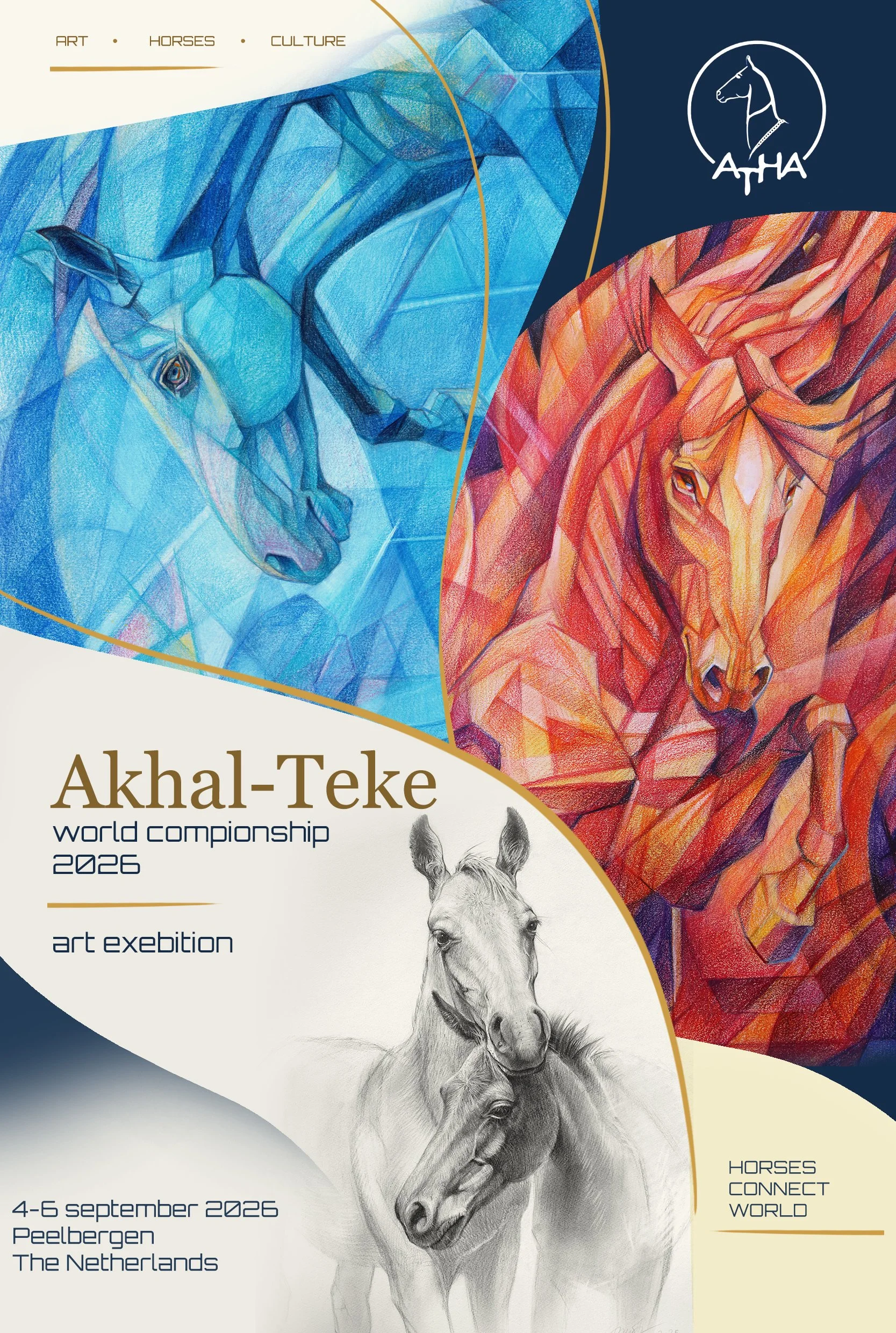
Peelbergen Equestrian Centre, The Netherlands · 4–6 September 2026 · Curated by Joyce Ter Horst / Paard Verzameld · By invitation of the Embassy of Turkmenistan
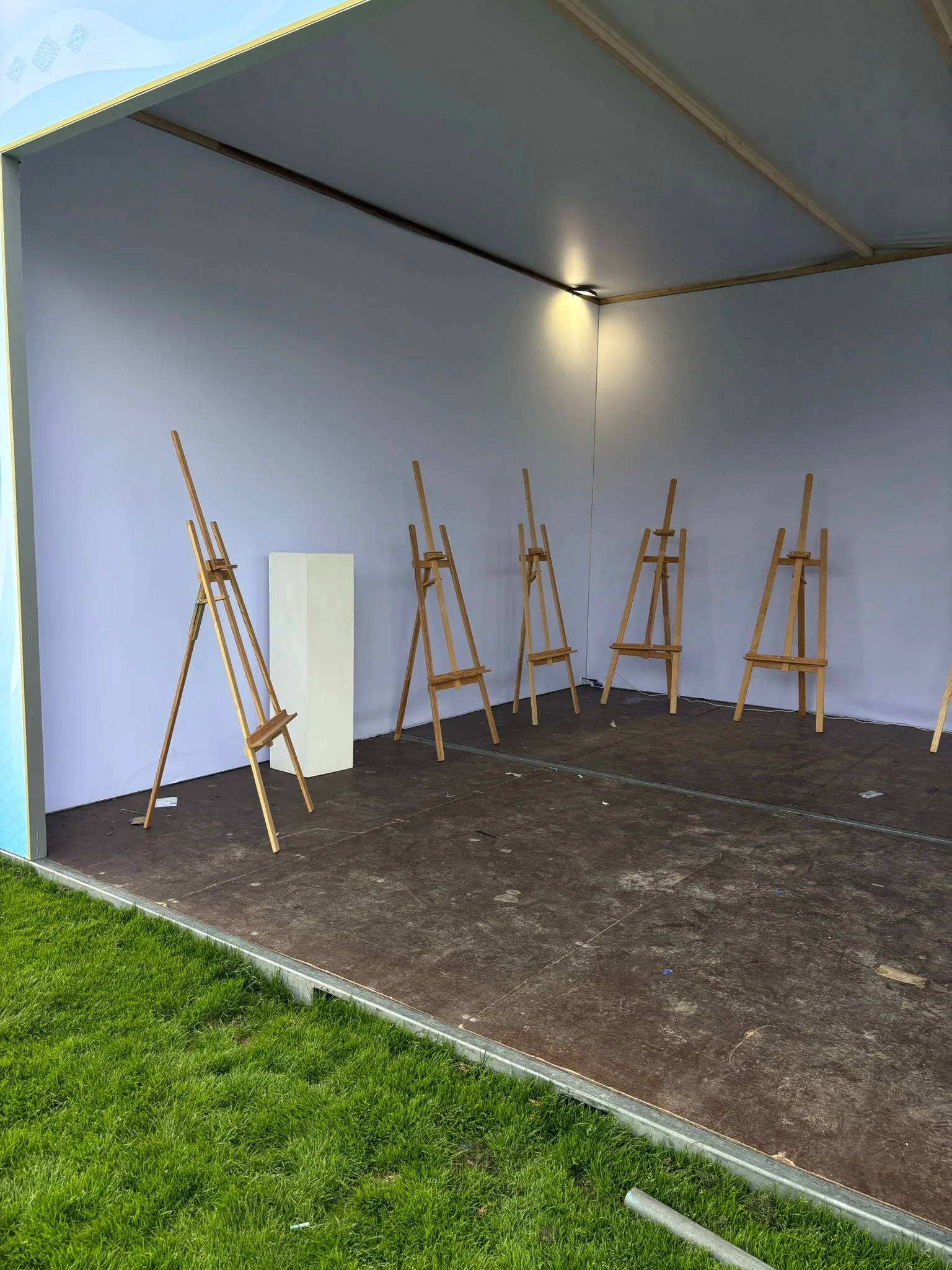
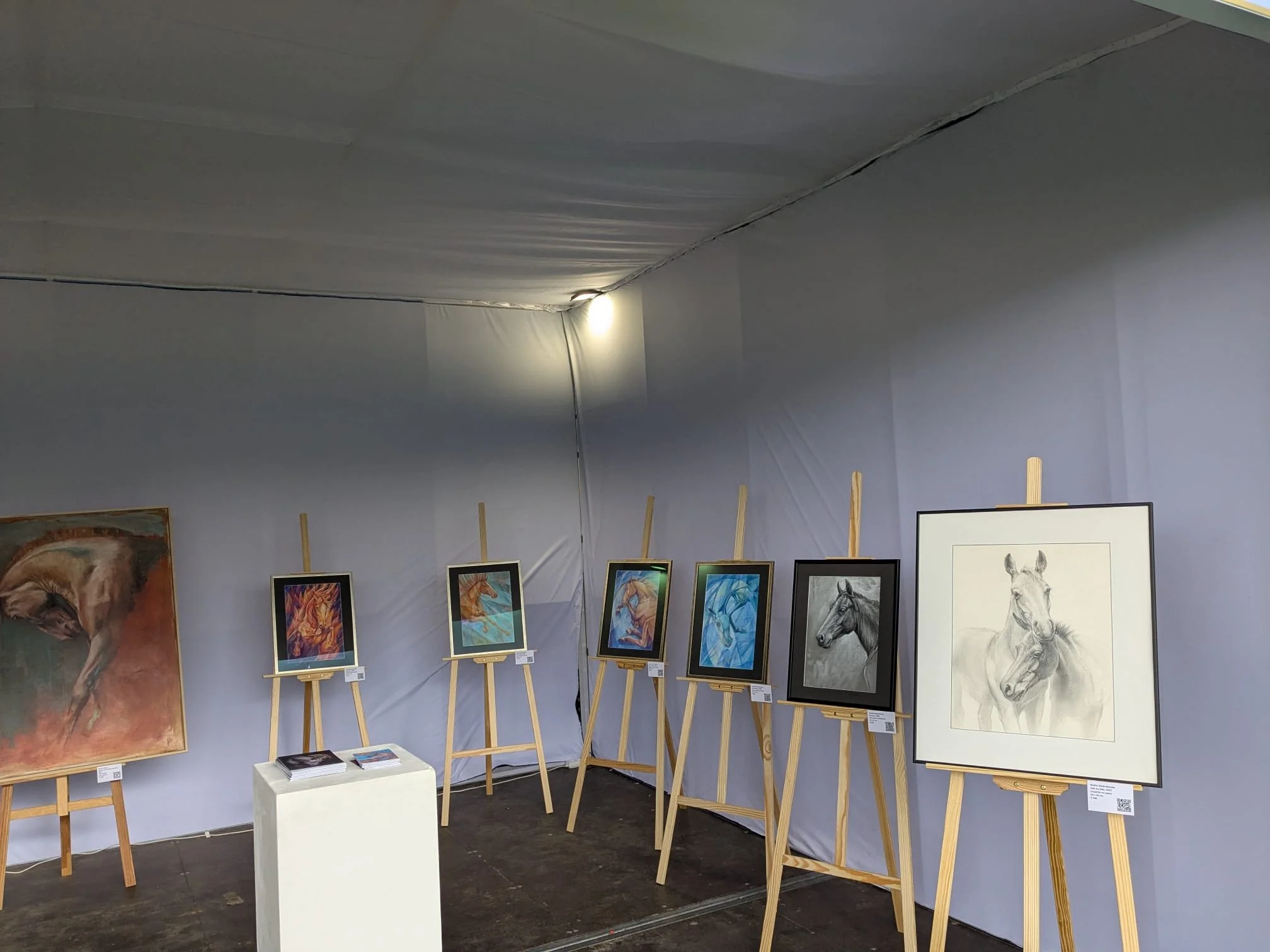
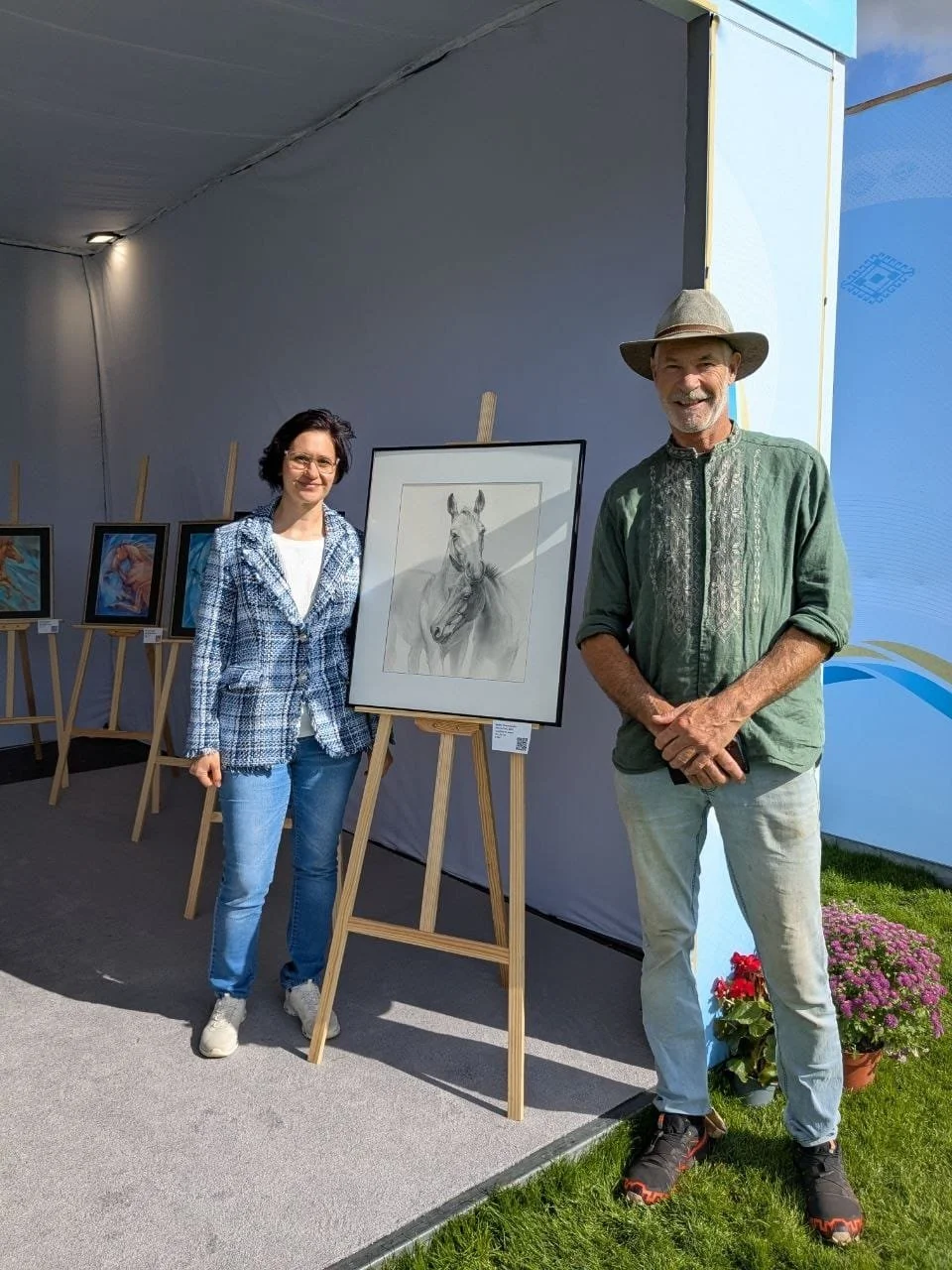
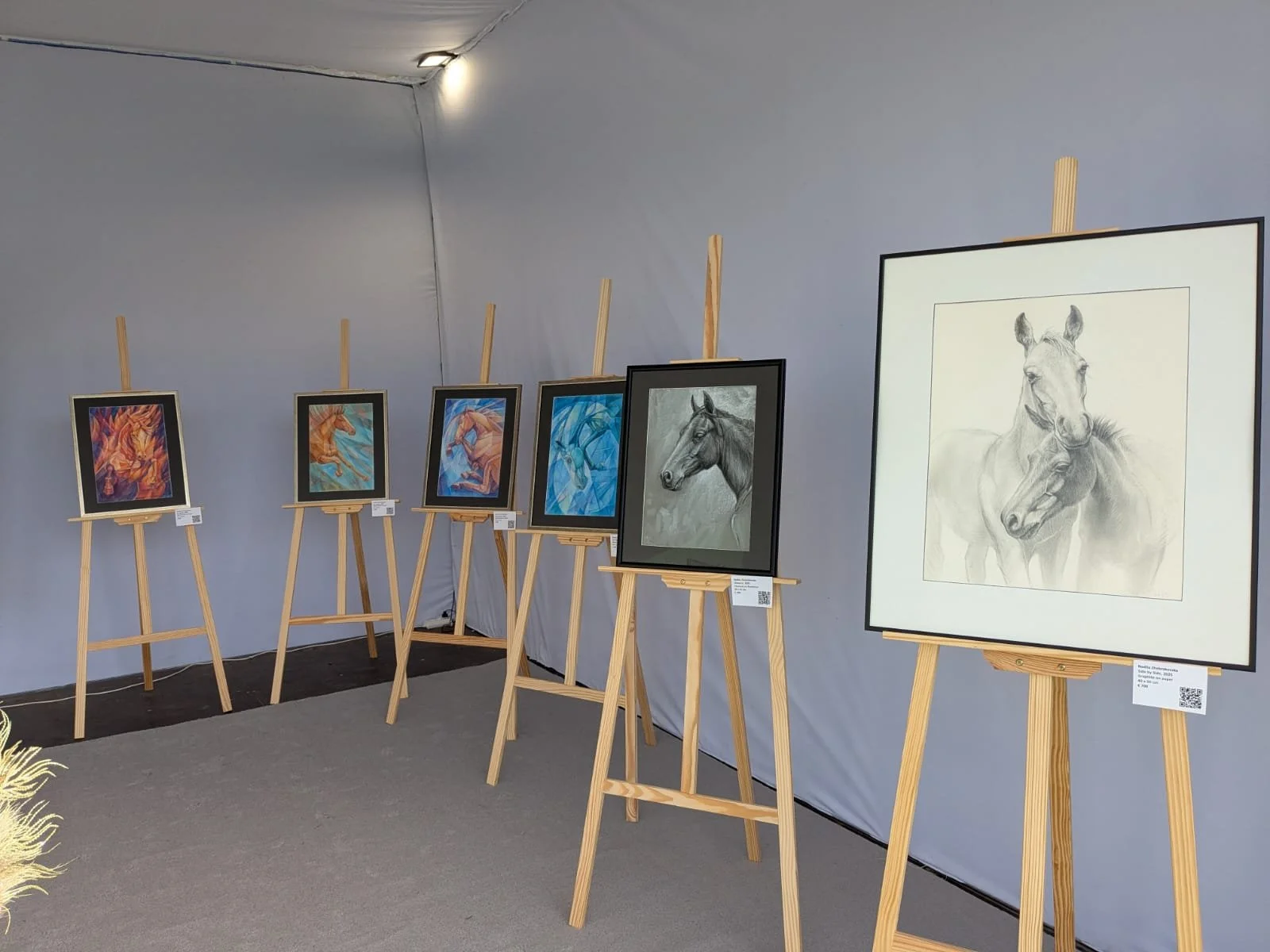
From 4–6 September 2026, I had the opportunity to present my work at the Akhal-Teke World Championship at Peelbergen Equestrian Centre in Kronenberg, the Netherlands, as part of a specially curated Paard Verzameld pavilion.
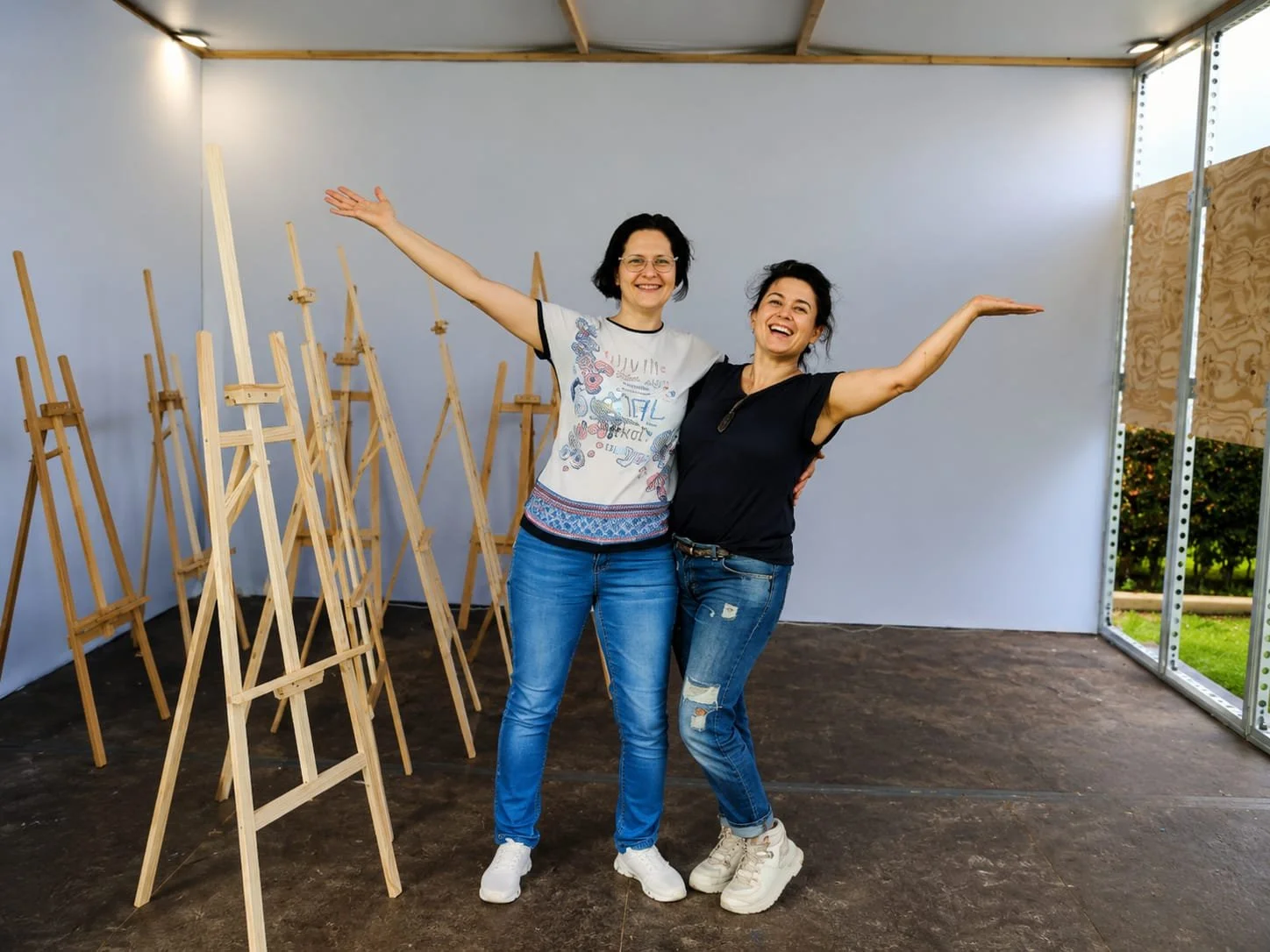
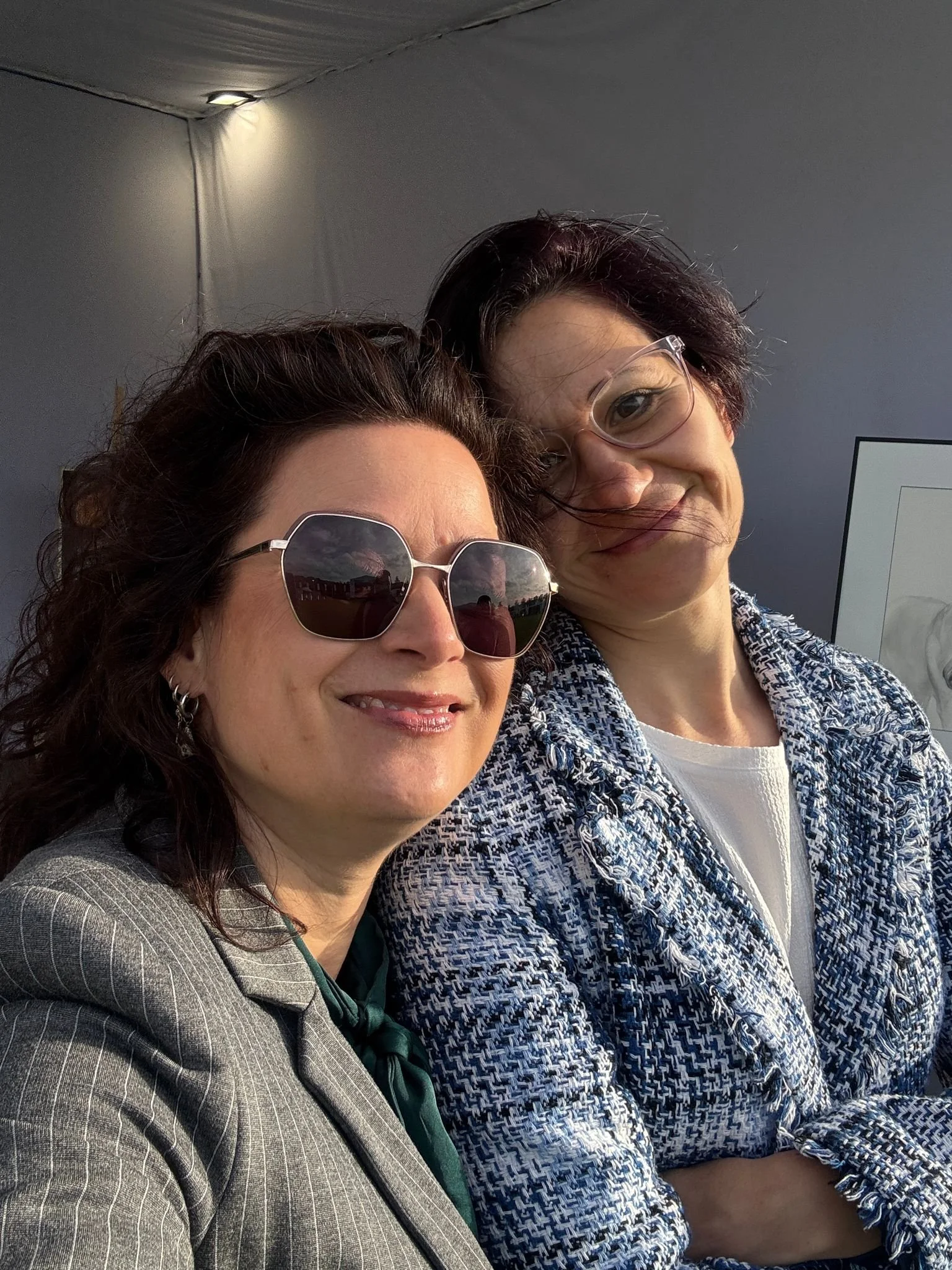
The pavilion was created following an official invitation from the Embassy of Turkmenistan and was curated by Joyce Ter Horst, founder and curator of Paard Verzameld. Joyce was responsible for the artistic concept, selection of artists, presentation and coordination of the pavilion. Together with Dutch equine artist Mirelle Vegers, I was selected to represent two distinct contemporary approaches to the horse within a focused curatorial presentation.
Our participation placed contemporary equine art within a much broader international context. Rather than functioning simply as decoration alongside an equestrian event, the Paard Verzameld pavilion formed part of a programme in which the horse was approached simultaneously through sport, breeding, history, cultural heritage and visual art.